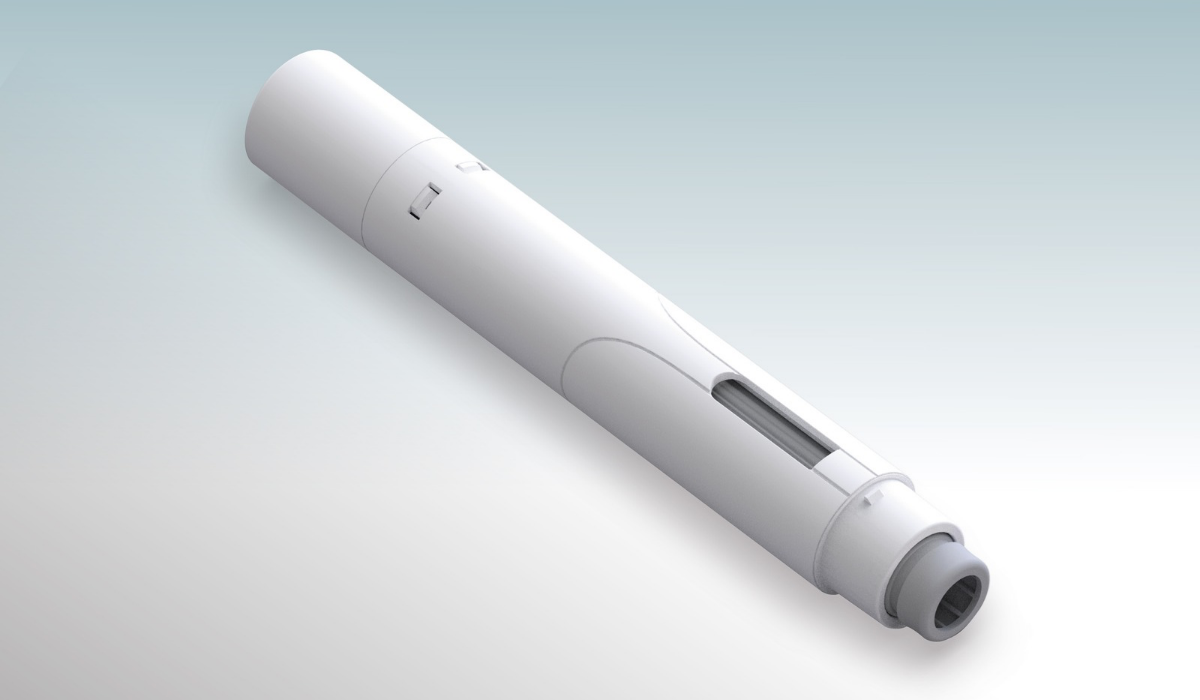
Engineering the perfect click for autoinjectors
Engineering the perfect end-of-dose click remains anything but a simple design challenge. Today, designers have a wide range of device architectures, energy sources and feedback mechanisms to consider. End-of-dose, and even dose progression feedback, may be delivered through a traditional mechanical click, gas venting, a deliberate electromechanical event or visual and tactile indicators.
However, these alternatives do not necessarily solve the click challenge. They simply provide different ways of tackling it. Reliability, timing and user interpretation remain critical, while competing sounds, delivery dynamics and the interaction between the drug product and device architecture continue to influence how feedback is perceived. As injection volumes and viscosities increase, flow rates may decrease and delivery durations extend, reducing the prominence of traditional end-of-dose indicators and increasing the potential for user uncertainty.
The rapid growth of frequently administered injectable therapies, including GLP-1 products, is increasing the scrutiny on device cost, material use and sustainability. A dedicated delay mechanism may improve the timing and prominence of a click, but it can also add parts, complexity and waste to a single-use device. Reusable platforms may make that investment or inclusion of electronics easier to justify, yet they must deliver clear, consistent feedback across a potentially broader range of drug products and delivery profiles.
End-of-dose feedback should therefore be considered early in development, not retrospectively justified at the end. Energy budgeting, tolerance analysis, sensitivity studies and focused subsystem testing can all help to determine whether the intended feedback will remain sufficiently prominent and reliable across manufacturing variation and foreseeable use conditions.
Whether the chosen solution is spring-driven, gas-powered or electromechanical, the feedback mechanism must ultimately be considered as part of the wider device architecture. Understanding the interaction between the user, drug product, delivery system and manufacturing process capability is essential to reducing the risk of premature device removal, incomplete delivery and ineffective treatment.
When something as seemingly simple as a click can be the difference between effective and ineffective treatment, it should not be left until the later stages of development. A poorly optimised end-of-dose signal can lead to longer-than-necessary hold times for frequently administered therapies or the need for additional electronics and visual indicators to achieve the required user confidence. It should be there in the very first series of napkin sketches.